

Why Dallas Fall Weather Is the Ideal Time for Facial Surgery Recovery (and How to Avoid Post-Op Swelling)
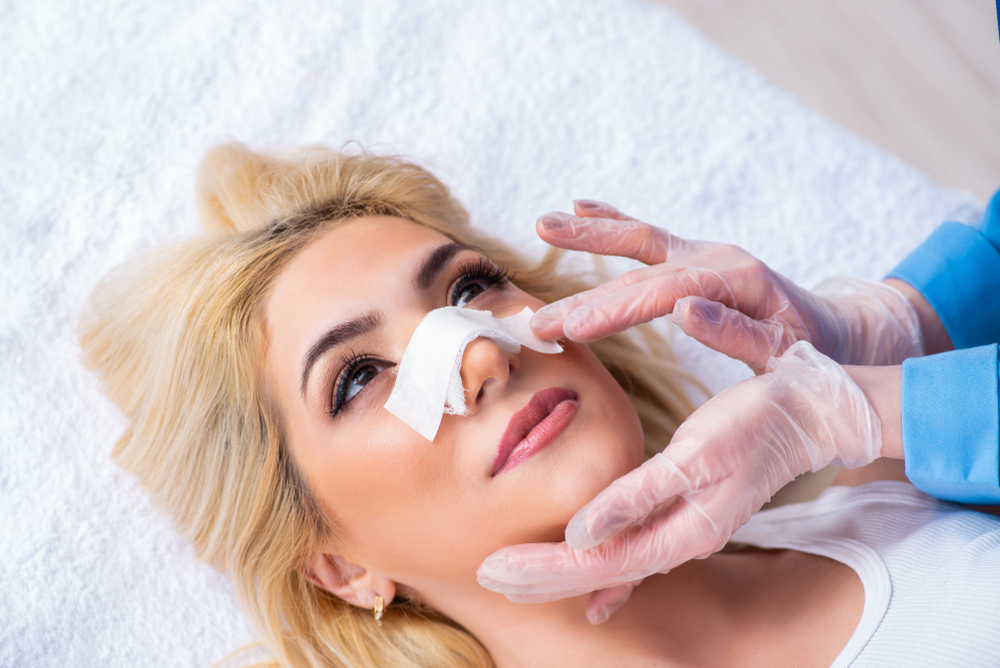
Choosing when to schedule facial plastic surgery can make a difference in how comfortably you recover. In Dallas, TX, fall often brings milder temperatures, fewer intense heat days, and opportunities to rest indoors. At Clark Plastic Surgery, we encourage patients to consider their schedules, recovery needs, and seasonal conditions when planning a procedure. While cooler weather does not directly accelerate healing, it can make certain aspects of postoperative care more manageable.
Why Fall Is a Good Time for Facial Surgery in Dallas
Dallas summers can bring intense heat and strong sun exposure, making outdoor activities less comfortable during recovery. Fall typically offers cooler conditions that may help patients avoid excessive heat and prolonged sun exposure.
After procedures such as a facelift, neck lift, or eyelid surgery, protecting healing skin and limiting strenuous activity are important. More comfortable temperatures can make short, surgeon-approved walks and necessary outings easier.
However, postoperative swelling is primarily influenced by the procedure, individual healing response, and aftercare rather than outdoor temperatures.
How Facial Surgery Causes Postoperative Swelling
Swelling is a normal part of the healing process after facial surgery. During recovery, the body's inflammatory response increases fluid accumulation around treated tissues.
Patients may experience puffiness, bruising, tightness, and temporary changes in facial appearance. Swelling is often more noticeable during the first several days before gradually improving.
The extent and duration depend on the procedure performed, surgical technique, and individual healing factors. Some residual swelling may continue for weeks or months.
Practical Ways to Minimize Swelling After Facial Surgery
Following postoperative instructions is essential for managing swelling and supporting proper healing. At our Dallas practice, we provide individualized guidance based on each patient's procedure and recovery needs.
General recommendations may include:
Keep your head elevated while resting and sleeping, as instructed, to help limit fluid accumulation.
Avoid strenuous exercise, heavy lifting, and excessive bending until cleared by your surgeon.
Stay hydrated and maintain a balanced diet while limiting excessive sodium intake.
Take prescribed medications and follow all wound-care instructions carefully.
Attend scheduled postoperative appointments so we can monitor healing and address concerns.
Do not apply ice, heat, or facial massage to surgical areas unless specifically instructed, as certain procedures require additional precautions.
Protecting Healing Skin From Sun Exposure
Although fall temperatures in Dallas are generally milder, ultraviolet exposure remains a concern throughout the season.
Fresh incisions and healing skin can be particularly sensitive to sunlight. Unprotected exposure may contribute to discoloration and affect the appearance of scars.
We recommend following postoperative sun-protection instructions, which may include avoiding direct sunlight, wearing a wide-brimmed hat, and using appropriate sunscreen once the treated area has healed enough for application.
Planning Recovery Around Fall Activities and Holidays
Fall can provide a convenient opportunity to schedule facial surgery before the busy holiday season. However, patients should allow sufficient time for initial healing rather than expecting swelling and bruising to disappear immediately.
Depending on the procedure, initial recovery may take approximately one to two weeks, while residual swelling can last considerably longer.
Planning ahead for work, travel, social gatherings, and family responsibilities helps reduce unnecessary physical demands during recovery.
When to Contact Your Surgeon About Swelling
Some swelling is expected, but sudden or rapidly increasing swelling, particularly on one side of the face, should be reported promptly. Increasing redness, fever, severe pain, or unusual drainage also requires medical attention.
At Clark Plastic Surgery, we emphasize postoperative communication and follow-up care to help patients recognize expected healing changes and potential complications.
If you are considering facial plastic surgery this fall, contact Clark Plastic Surgery in Dallas, TX, at (469) 675-3659 to schedule a consultation with Dr. Steven Clark and discuss your procedure, recovery expectations, and personalized postoperative care plan.


